

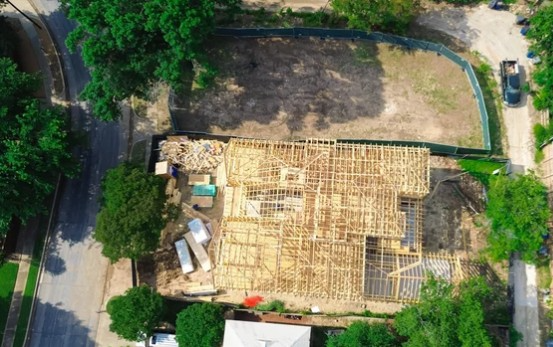
From ADUs to lot splits, state housing laws open doors to development that weren't possible before.

California faces a shortage of over 1.5 million homes, driving up costs and pushing families out of communities they’ve called home for generations.


New state housing laws—including SB9, ADUs, SB1123, and other recent legislation—address this crisis by making it easier for property owners to add housing where people already live, near jobs, schools, and transit.


These laws create a win-win: homeowners gain income and equity while communities gain the affordable, accessible housing they desperately need.

California's Triple Play: More Units, More Income, More Value

Senate Bill 9

SB9 transforms single-family properties into income-generating assets. You can split your lot into two parcels and build up to two units on each, creating rental income or multigenerational housing options.

Senate Bill 1123

SB1123 enables property owners to develop up to 10 affordable housing units on single-family zoned land with ministerial approval—no conditional use permits or public hearings required.

Accessory Dwelling Units

Accessory Dwelling Units (ADUs) are the most accessible way to add housing to your property. Detached, attached, or converted from existing space, ADUs offer immediate rental income opportunities.

How Your Property Can Help Solve California's Housing Crisis

California’s housing crisis has reached a critical point. The state faces a shortage of more than 1.5 million homes, contributing to the highest housing costs in the nation and forcing families to make impossible choices between rent and basic necessities. Teachers, healthcare workers, and first responders—the backbone of our communities—often can’t afford to live in the cities they serve. Young families delay homeownership indefinitely, and seniors struggle to age in place without affordable options.


The traditional development model isn’t solving the problem fast enough. Large-scale projects face years of approvals, neighborhood opposition, and financing challenges. Meanwhile, single-family neighborhoods—which make up the vast majority of residential land in California—remained largely off-limits to new housing.


SB9, ADUs, and SB1123 change that equation. These laws recognize that existing neighborhoods have capacity to absorb more housing thoughtfully and incrementally. By streamlining approvals and reducing barriers, they empower individual property owners to become part of the solution. An ADU in a backyard. A duplex replacing a single home. Ten affordable units on an underutilized lot. Each project adds housing where it’s needed most—near jobs, transit, and established communities.

For property owners, these laws offer financial opportunity: rental income, increased property values, and flexibility to house family members. But the impact extends far beyond individual benefit. Every new unit helps ease pressure on the rental market. Every affordable home built under SB1123 houses a family that might otherwise face displacement. Every ADU means one less household competing for limited apartments.


This is how housing crises get solved—not through government megaprojects alone, but through thousands of property owners making individual decisions that collectively transform communities. California’s housing laws make that possible while ensuring homeowners benefit financially from being part of the solution.