

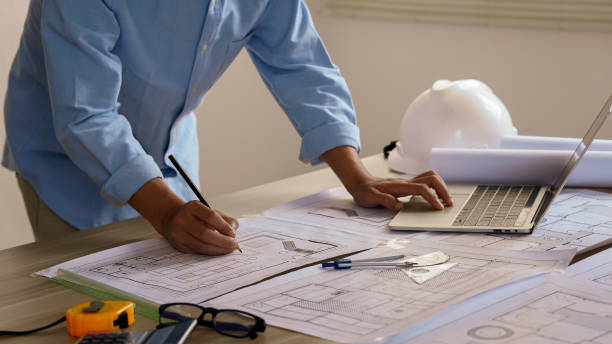
Navigating California’s complex housing regulations shouldn’t feel like solving a puzzle in the dark. At Build by Design, we transform confusion into clarity, guiding you from initial concept to approved permit—and everything in between.
With deep expertise in local zoning requirements and state housing laws, we anticipate challenges before they arise and keep your project on schedule and within budget
We analyze your property to identify every viable development option available.
Your project checks out—now let's explore the details that will bring your design to life.
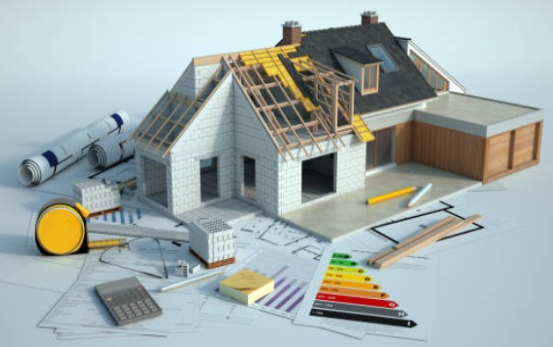
Your vision becomes detailed construction documents ready for builders to execute.

We secure permits, handle agency coordination, and drive your project forward seamlessly.
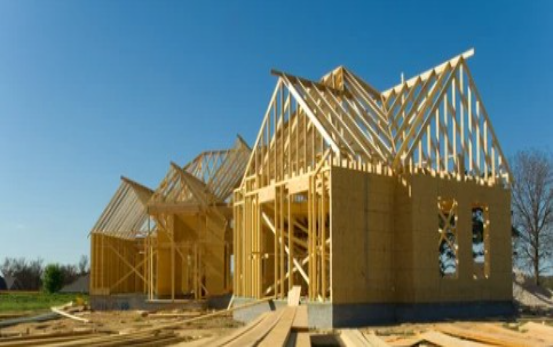
Choosing the right contractor saves you time, stress, and money while ensuring quality outcomes.

Your property can do more than just provide shelter — it can generate income, support your family’s health, and produce its own clean energy. At Build By Design, we apply proven building science to transform eligible properties into high-performance, net zero homes that generate as much energy as they use.
– Sharper Focus, Better Living
Indoor air quality has a direct impact on concentration and decision-making. Our controlled ventilation systems keep CO₂ levels low, ensuring optimal environments for work, study, and wellbeing.
– Cleaner Air, Fewer Sick Days
Advanced filtration systems remove up to 99% of airborne viruses, bacteria, and allergens — reducing illness spread and improving daily comfort for everyone in the home.
– Breathe Easier, Sleep Better
Consistent temperatures, balanced humidity, and fresh, filtered air create spaces where families (and tenants) enjoy deeper rest and fewer respiratory issues — benefits that make a real difference in quality of life and long-term property value.
We analyze:
-Zoning Compliance – Does your property meet SB9 eligibility requirements?
-Lot Split Potential – Can your property be subdivided to maximize development opportunities?
-Unit Configuration – What’s the optimal layout for additional dwelling units?
-Site Constraints – How do setbacks, easements, and existing structures impact development?
-Financial Viability – What’s the potential return on investment?
What’s Included in Your Feasibility Study?
Property Assessment – Our process begins with site measurements that give us a picture of your property. We carefully evaluate the terrain, document existing structures, and identify any elevation changes that could impact your project’s design and execution.
Utility Assessment – Before you can add units, we need to know if your current water, sewer, and electrical systems can handle the additional load. We’ll evaluate what’s already there and identify any upgrades you’ll need. Nobody wants surprise utility costs down the road.
Title Report Review – Here’s where we dig into the fine print. We’ll check for any liens, easements, or deed restrictions that could throw a wrench in your plans. Better to discover these now than after you’ve started designing.
Preliminary Design Concepts – This is where it gets exciting. We’ll create initial sketches and layout options showing you what’s actually possible on your property. You’ll see how additional units could be configured and what makes the most sense for your lot.
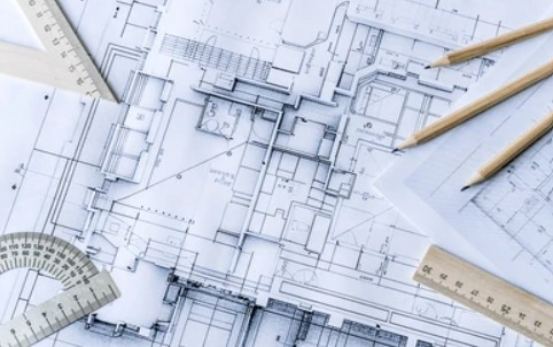
Here’s where it gets exciting. Based on everything we’ve learned about your property, we’ll create initial sketches showing different layout options. Should the new unit go in back? Would a side-by-side configuration work better? We’ll explore the possibilities and help you visualize what could work best for your goals and your property.
Our team develops complete architectural plans, including floor layouts, elevations, and specifications. Every detail is crafted to meet zoning requirements, optimize your space, and reflect your vision—setting the foundation for a smooth permitting process.
Throughout this phase, we work closely with you to refine your project goals and priorities. We explore layout options that maximize livability and functionality, whether you’re creating rental units, multi-generational space, or expanding your living area. Our architects balance your aesthetic preferences with practical considerations like natural light, flow, and outdoor space.
We also coordinate early consultations with structural engineers, energy consultants, and other specialists to ensure your design is both buildable and cost-effective. By the end of this phase, you’ll have a complete set of construction documents that clearly communicate your vision to permitting agencies and contractors—eliminating costly surprises down the road.
We’re moving from concepts to complete construction documents—the detailed plans that will guide your builder and satisfy the city’s requirements.
Architectural Design
Our architects will develop comprehensive plans that show exactly what you’re building. We’re talking detailed floor plans with every room dimensioned, exterior elevations from all sides, wall sections, door and window schedules—everything a contractor needs to price and build your project. These aren’t just pretty drawings; they’re precise technical documents that translate your goals into constructible reality.
Structural Engineering
A licensed structural engineer will design the bones of your building—the foundation system, the framing, the roof structure. They’ll ensure everything can safely carry the loads it needs to support and meet California’s strict seismic requirements. This isn’t optional; the city requires a structural engineer’s stamp on your plans.
Civil Engineering
How will water drain off your property? Where exactly will utilities connect? Our civil engineer will create grading plans showing finished elevations across your site, drainage solutions that direct water where it needs to go, and utility plans showing the route from your units to the street connections. This coordination is critical for a smooth permitting process.
Landscape Architecture
SB9 projects have specific landscaping requirements, including permeable surfaces and tree preservation or replacement. We’ll design a landscape plan that satisfies these requirements while creating attractive outdoor spaces. This includes hardscaping, planting plans, and irrigation design.
Energy Compliance (Title 24)
California has some of the nation’s most stringent energy efficiency standards. We’ll complete the required Title 24 calculations, specifying insulation values, window performance, HVAC efficiency, and other features that ensure your project meets code. This documentation is mandatory for permit approval.
Design Review
Throughout this phase, we’ll meet with you to review the evolving design. Your feedback shapes the final product. Want to adjust the kitchen layout? Prefer different materials? This is your opportunity to refine everything before we finalize the plans and submit for permits.
We’ll compile a complete application package: your architectural plans, structural calculations, energy compliance forms, civil documents, landscape plans, Title 24 reports, and all the other documentation your jurisdiction requires. Every form filled out correctly, every calculation checked, every required document included. A complete submittal from the start means faster approval.
City/County Submittal
We’ll file your SB9 application with your local planning and building departments. Because SB9 is ministerial—meaning it doesn’t require discretionary approval—the city has specific timelines they must follow. We’ll track those deadlines and make sure your application is processed according to state law. No unnecessary delays, no getting lost in the shuffle.
Plan Check Process
Plan reviewers will go through your documents with a fine-toothed comb, checking for code compliance and coordination between disciplines. When they have comments or questions—and they almost always do—we’ll respond promptly with clarifications or revisions. This back-and-forth is normal, and we’re experienced at addressing reviewer concerns efficiently to keep things moving.
Utility Approval
Your local utility providers need to sign off on your project too. Will upgrades? We’ll coordinate with water, sewer, gas, and electric companies to obtain their approvals and will capacities. Sometimes this means upgrading your meter or installing new service lines—we’ll manage those conversations and incorporate any requirements into your plans.
Final Permit Issuance
Once all the reviewers are satisfied and all the agencies have approved, you’ll receive your building permits. These are your legal authorization to start construction. We’ll pick up the permit sets—the official stamped drawings that must be on-site during construction—and hand them off to your builder along with any special inspection requirements or conditions of approval.
Not all contractors are created equal, and not every builder is the right match for every project. SB9 developments have unique requirements—they’re smaller-scale than typical commercial projects but more complex than simple home renovations. You need a contractor who understands multi-unit construction, local building codes, and how to navigate the inevitable challenges that arise during building.
Contractor Network
Over the years, we’ve built relationships with quality contractors who specialize in ADUs, small multi-unit projects, and SB9 developments. These are builders we trust—professionals who communicate clearly, deliver quality work, and understand what it takes to bring permitted plans to life. We can introduce you to contractors who are a good fit for your specific project and budget.
The Vetting Process
We’ll help you evaluate potential builders by reviewing their license status, insurance coverage, references, and past projects. Should you interview multiple contractors? What questions should you ask? How do you compare bids that might be structured differently? We’ll guide you through this process so you can make an informed decision.
Bid Review Support
When contractors submit proposals, we can review them with you to ensure they’ve included all the work shown in the plans. Sometimes bids exclude important items or make assumptions that could lead to change orders later. With our technical knowledge of your project, we can help identify any gaps or concerns before you sign a contract.
Setting Up for Success
Once you’ve selected your contractor, we’ll facilitate a pre-construction meeting to review the plans, discuss any technical questions, and ensure everyone understands the scope of work. A strong start with clear communication helps prevent misunderstandings down the road.
You’ve invested in quality design and engineering—now let us help you find a builder who’ll execute that vision with the same level of professionalism.