
What Are Accessory Dwelling Units?

How Can They Work for You?

Popup-pic-2.png
You have the legal right to add another dwelling unit to your property—and it might be one of the smartest financial moves you can make. Accessory Dwelling Units, or ADUs, have transformed from a niche option into a mainstream opportunity for homeowners looking to generate income, create flexible living space, or build long-term wealth.

An ADU is a complete, independent living space on your property—a separate unit with its own kitchen, bathroom, living area, and entrance. It could be a converted garage, a new structure in your backyard, an addition above your garage, or even a remodeled space within your existing home. Think of it as a small apartment on your property, completely self-contained but sharing the same lot as your main house.

What does this Mean for YOU?

Want to know more? Just move your cursor over the images below

Generate consistent rental income

of $1,500-$4,000+ per month depending on your location

Create a home for aging parents

while maintaining everyone’s independence and privacy

Build a dedicated home office or studio

separate from your main living space

Increase your property value

significantly—often more than the construction cost

Create a guest house

for visitors without disrupting your household

Downsize within your own property

by moving into the ADU and renting your main house

Why ADUs Are Different Now

For decades, building an ADU in California was difficult—expensive permit fees, restrictive regulations, and uncertain approval processes made it impractical for most homeowners. That changed dramatically starting in 2017 with a series of state laws that revolutionized ADU development.


Now, if your property meets basic standards, your city must allow you to build an ADU. It’s a ministerial approval process, meaning there’s no subjective review, no planning commission hearings, and no neighbors blocking your project. You have a right to build, and that changes everything.

Types of ADUs

Understanding your options helps you see what’s possible on your property.
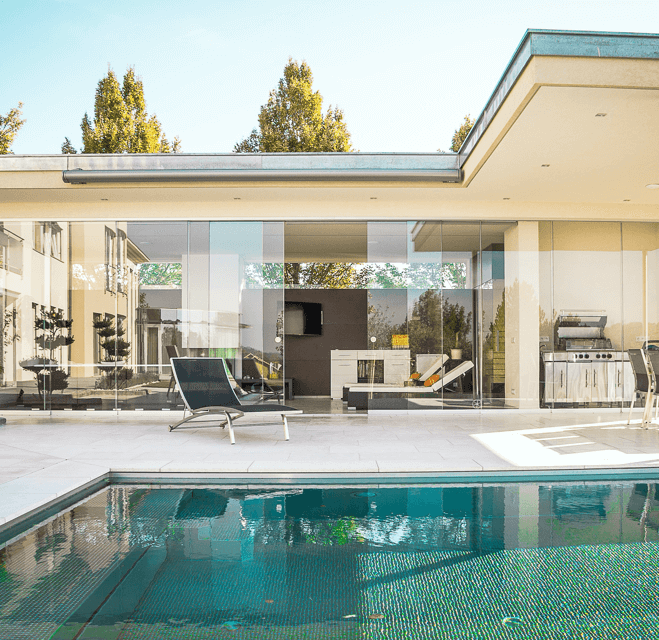
  • Detached ADU: A standalone structure in your backyard—typically 400-1,200 square feet. This is what most people envision: a small cottage or modern studio behind the main house.
  • Attached ADU: An addition to your existing home with a separate entrance. It shares a wall with your house but functions as an independent unit.
  • Garage Conversion: Transforming your existing garage into living space—often the most cost-effective option since the structure already exists
  • Junior ADU (JADU): A smaller unit (500 square feet maximum) created within your existing home, typically by converting a bedroom or unused space. Must have its own entrance but can share bathroom facilities with the main house.
  • Above-Garage ADU: Building a new unit on top of your existing or new garage—maximizes your property without consuming yard space.
Popup-pic-4.png